Looking for the perfect words to express liberosis—the desire to care less about things, obligations, or responsibilities? Or wondering which words can replace “liberosis” depending on the situation? Choosing the right synonym helps you convey a sense of emotional release, freedom, or letting go clearly, whether in writing, social media, or casual conversation.
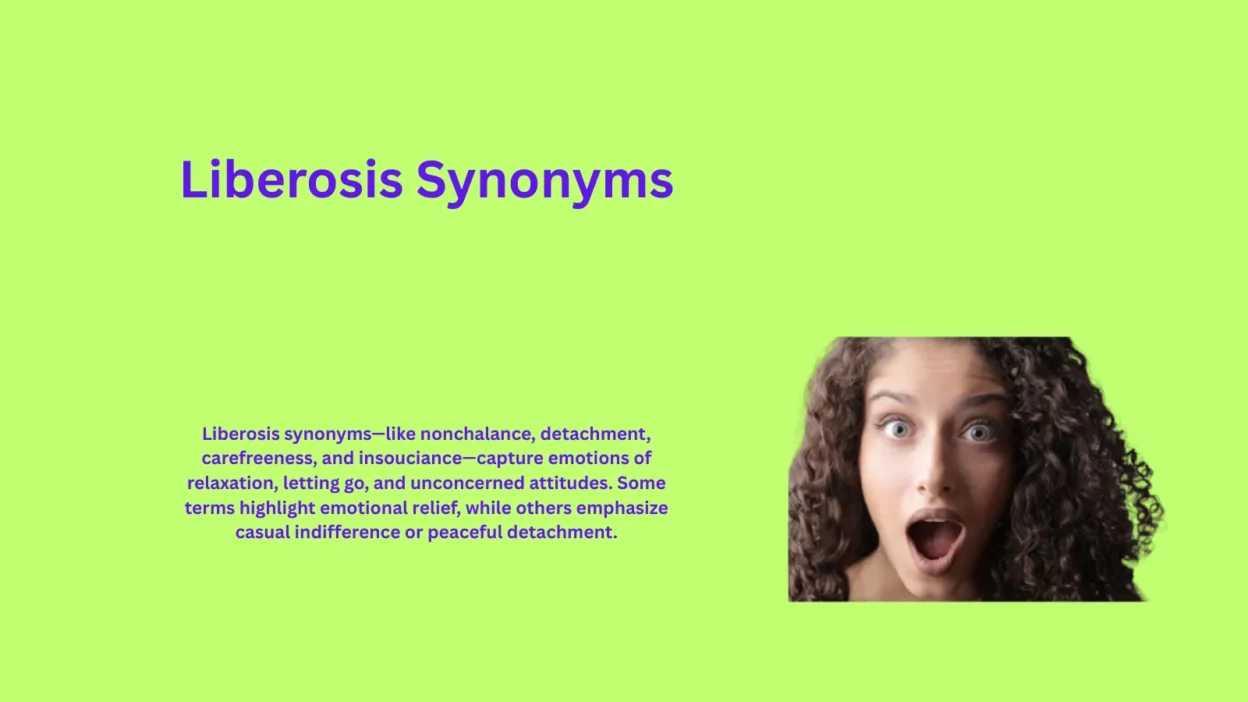
Liberosis synonyms—like nonchalance, detachment, carefreeness, and insouciance—capture emotions of relaxation, letting go, and unconcerned attitudes. Some terms highlight emotional relief, while others emphasize casual indifference or peaceful detachment.
Opposites of Liberosis
Emotional opposite: anxiety, worry, stress, obsession
Behavioral opposite: diligence, attentiveness, responsibility, care
We share 30 substitute words for liberosis, complete with meanings, usage tips, and example sentences, so you can pick the perfect word for casual, reflective, or literary contexts.
What Does “Liberosis” Really Mean?
“Liberosis” is more than a fleeting mood—it reflects a longing to care less about things that cause stress, pressure, or emotional burden. It captures a wish to loosen attachments, embrace freedom, and experience emotional lightness.
Key traits include:
- Detachment: Emotional or mental release from worries
- Carefreeness: Embracing freedom from obligations
- Letting Go: Releasing control over minor stresses or responsibilities
Think of liberosis as a gentle yearning to step back from the pressures of life and enjoy emotional freedom.
Synonyms for Liberosis (With Meanings, Usage & Examples)
1. Nonchalance
Meaning: Calm or casual indifference.
When to Use: Everyday situations where ease or carelessness is expressed.
Example: She accepted the criticism with nonchalance.
2. Detachment
Meaning: Emotional or mental separation from stress or responsibility.
When to Use: Reflective or literary contexts.
Example: His detachment from office politics made him happier.
3. Carefreeness
Meaning: Living without worry or burden.
When to Use: Positive, relaxed moods.
Example: Summer vacations gave her a sense of complete carefreeness.
4. Insouciance
Meaning: Lighthearted unconcern or indifference.
When to Use: Literary or stylish expression.
Example: He wandered through life with graceful insouciance.
5. Lightheartedness
Meaning: Cheerful, relaxed, and unconcerned attitude.
When to Use: Social or casual writing.
Example: Her laughter reflected her lightheartedness.
6. Unconcern
Meaning: Lack of worry or interest.
When to Use: General emotional release or casual reflection.
Example: His unconcern with deadlines surprised everyone.
7. Laxity
Meaning: Looseness in attention, discipline, or care.
When to Use: Casual or mildly critical contexts.
Example: The laxity in rules allowed for more creativity.
8. Indifference
Meaning: Lack of strong feelings or care.
When to Use: Emotional, reflective, or neutral contexts.
Example: She felt indifference toward the office gossip.
9. Freedom
Meaning: Liberty from restriction, worry, or responsibility.
When to Use: Positive or inspirational contexts.
Example: Travel gave him a sense of freedom.
10. Relaxation
Meaning: State of being free from tension or stress.
When to Use: Everyday and self-care contexts.
Example: Meditation provided deep relaxation.
11. Composure
Meaning: Calmness and control over emotions.
When to Use: Stressful or reflective contexts.
Example: He maintained composure despite the chaos.
12. Equanimity
Meaning: Mental calmness and evenness of temper.
When to Use: Philosophical, literary, or reflective writing.
Example: She faced challenges with remarkable equanimity.
13. Serenity
Meaning: Peaceful and untroubled state.
When to Use: Emotional, spiritual, or aesthetic contexts.
Example: Walking in nature brought her serenity.
14. Tranquility
Meaning: Calm and quiet state of mind.
When to Use: Reflective or emotional release contexts.
Example: The lake exuded tranquility.
15. Unfussiness
Meaning: Lack of concern or worry over details.
When to Use: Informal, casual settings.
Example: His unfussiness made team meetings enjoyable.
16. Complacency
Meaning: Self-satisfaction with a relaxed attitude.
When to Use: Can be positive or cautionary.
Example: Her complacency reflected contentment, not laziness.
17. Easygoingness
Meaning: Relaxed and tolerant attitude.
When to Use: Informal or friendly descriptions.
Example: His easygoingness made him popular with coworkers.
18. Untroubledness
Meaning: Free from worry or stress.
When to Use: Poetic or literary contexts.
Example: He lived an untroubled life by the seaside.
19. Careless Ease
Meaning: Comfort and lack of stress or responsibility.
When to Use: Casual or playful writing.
Example: She strolled through the market with careless ease.
20. Relaxedness
Meaning: State of being at ease physically or mentally.
When to Use: Everyday or wellness contexts.
Example: Yoga enhances relaxedness of mind and body.
21. Aloofness
Meaning: Emotional distance or reservedness.
When to Use: Reflective or slightly detached contexts.
Example: His aloofness made him seem mysterious.
22. Non-responsiveness
Meaning: Choosing not to react or worry.
When to Use: Casual, reflective, or literary contexts.
Example: Her non-responsiveness to criticism reflected liberosis.
23. Freedom-from-Care
Meaning: Living without stress or obligations.
When to Use: Inspirational or positive contexts.
Example: Childhood embodies freedom-from-care.
24. Laissez-Faire Attitude
Meaning: Relaxed, non-interfering approach.
When to Use: Philosophical or professional contexts.
Example: His laissez-faire attitude kept the team creative.
25. Carelessness
Meaning: Lack of concern or attention.
When to Use: Informal, playful, or reflective contexts.
Example: She approached the project with playful carelessness.
26. Lightness
Meaning: Emotional or mental freedom from heaviness.
When to Use: Poetic, literary, or reflective writing.
Example: There was a lightness in his step after the talk.
27. Nonattachment
Meaning: Emotional release from possession or worry.
When to Use: Spiritual or reflective contexts.
Example: Meditation encouraged nonattachment.
28. Detent
Meaning: Mental pause or release from tension.
When to Use: Poetic or literary expressions.
Example: The quiet evening brought a detent from daily stress.
29. Indolence
Meaning: Leisurely relaxation or avoidance of effort.
When to Use: Casual or reflective, sometimes playful.
Example: Summer afternoons encouraged pleasant indolence.
30. Unburdening
Meaning: Releasing mental or emotional weight.
When to Use: Reflective, emotional, or literary contexts.
Example: Journaling offered a sense of unburdening.
How to Choose the Right Synonym for Liberosis
For Casual or Playful Contexts
Carefreeness, easygoingness, lightness, unfussiness, indolence
For Emotional or Reflective Freedom
Detachment, untroubledness, nonattachment, unburdening, serenity
For Literary or Poetic Expression
Insouciance, equanimity, tranquility, detent, lightness
For Slightly Critical or Philosophical Use
Complacency, aloofness, laissez-faire attitude, carelessness, laxity
Conclusion
The synonyms for liberosis cover every shade of emotional release, freedom, and carefree attitude—from playful, casual detachment to deep, reflective, or literary expressions.
Words like carefreeness, easygoingness, and lightness convey relaxed, positive emotional release, while detachment, nonattachment, and serenity emphasize inner calm and mindfulness. Meanwhile, terms like laissez-faire attitude or complacency highlight philosophical or slightly detached perspectives.
Choosing the right synonym lets your writing, speech, or reflections convey the yearning for emotional freedom with nuance, tone, and clarity. Each term adds a distinct shade to the beautiful concept of liberosis.